Photography Talks
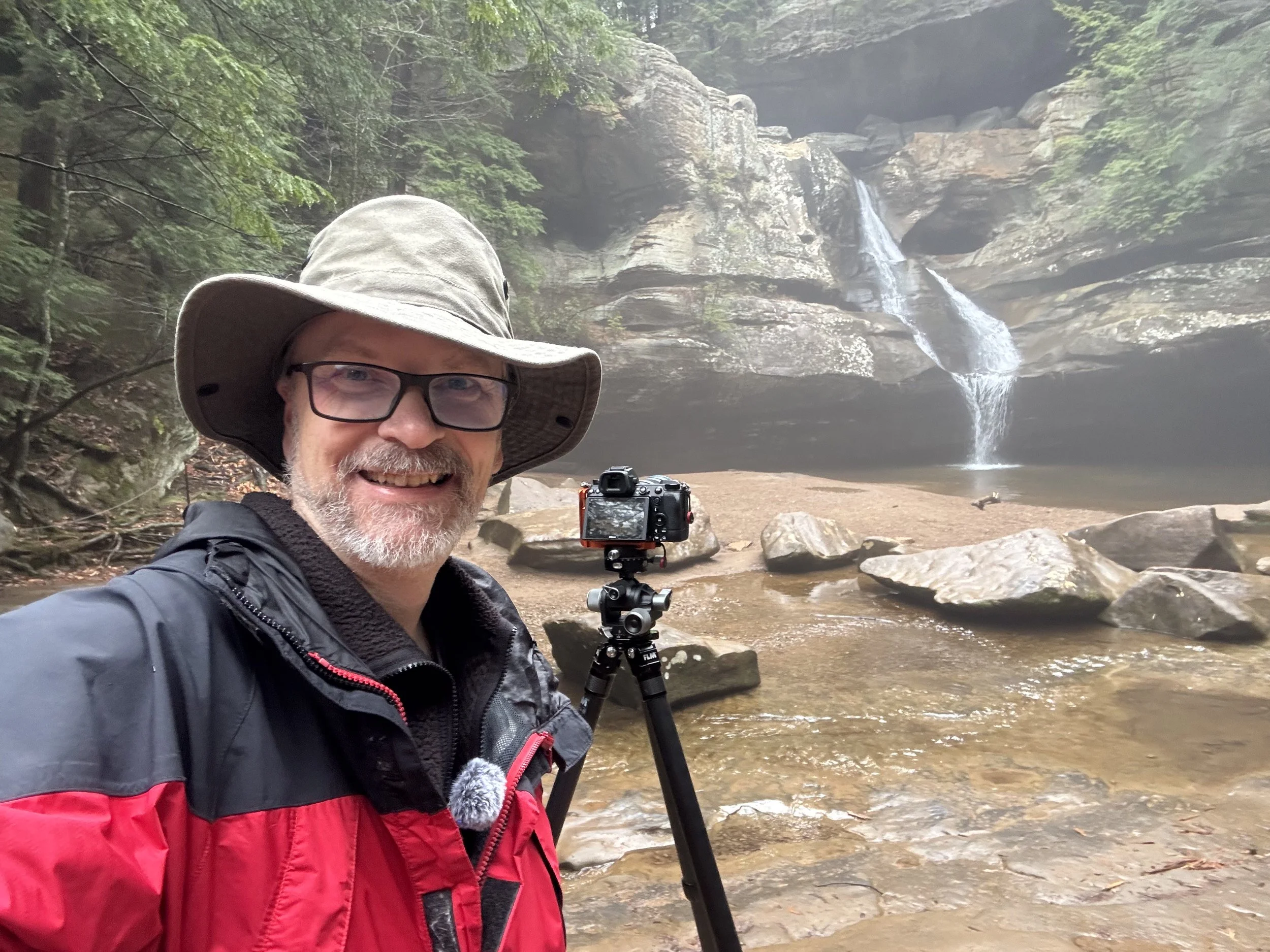
Are you looking for a speaker for your photography club, conference, classroom, or other event? I am available to deliver talks based on my landscape photography experiences, whether in person or virtually. I have conducted online webinars and spoken in front of photography clubs both virtually and in person.
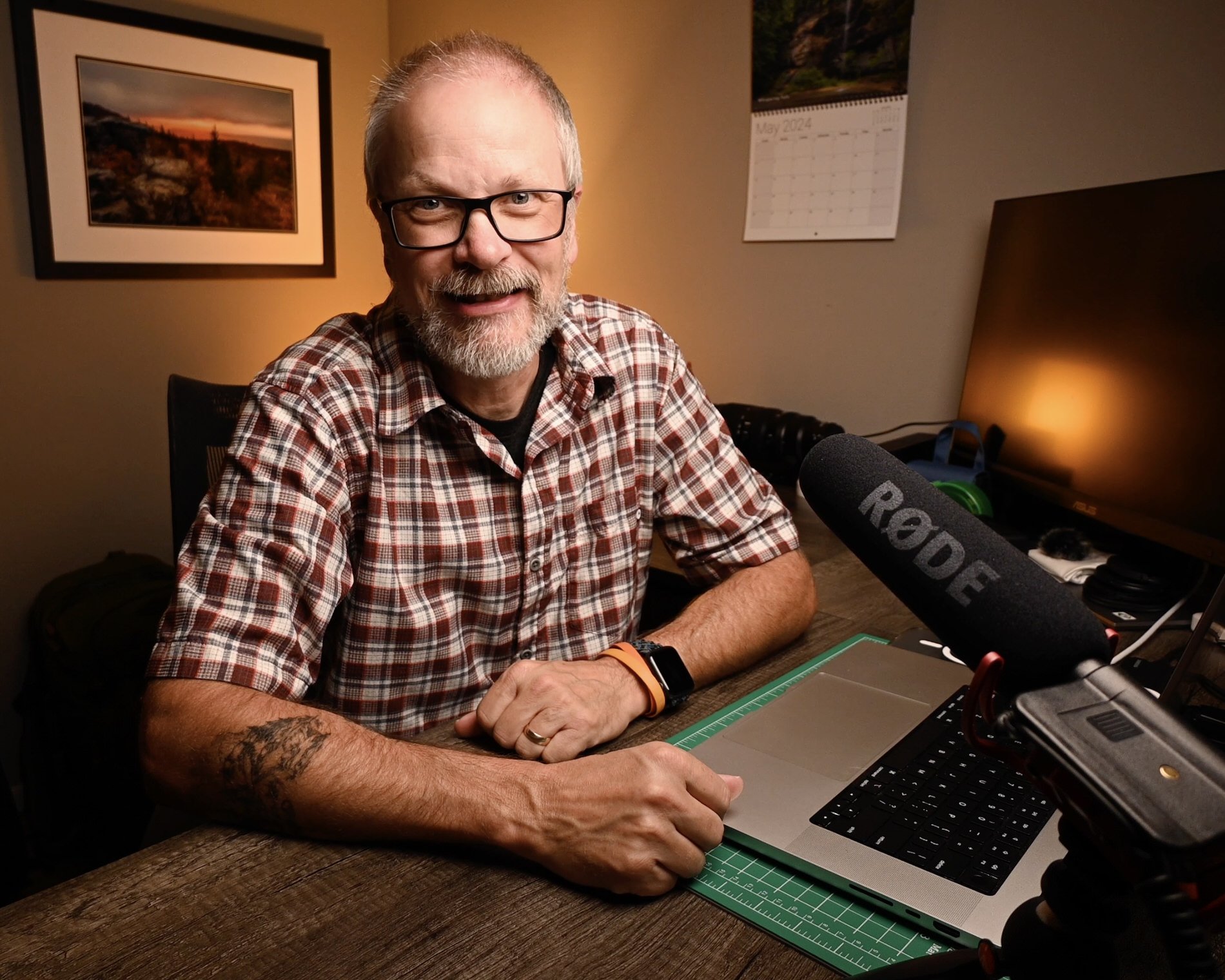
Jeffrey Tadlock is a passionate landscape photographer and the creator of the YouTube channel Jeffrey Tadlock Photography, where he shares his experience in capturing landscapes and mastering photography techniques. Through his workshops, online webinars, and photography newsletter, Jeffrey aims to inspire others to connect with nature, hone their craft, and explore the world with their cameras. With a focus on fostering creativity and building connections, Jeffrey uses his camera as a tool for discovery, adventure, and storytelling.
Mastering Exposure: The Exposure Triangle and Beyond
Properly exposing an image is a foundational component of your photography. While many have heard of and are familiar with the exposure triangle, is it truly second nature to you? Or are you still stressed in the field if you are properly exposing your images? I know I used to take multiple images of scenes because I lacked confidence in getting a good exposure the first time.
In this presentation, I help build your confidence in using tools your camera provides to measure exposure and using the exposure triangle to get the exposure you want. With these foundational elements in hand it frees up your mind to focus on your compositions and creativity instead of worrying about if your image is exposed properly.
I cover the following concepts in this presentation.
Why proper exposure is important from an image quality perspective and how mastering this fundamental allows you to focus on composition and creativity.
Review the exposure triangle, including shutter speed, aperture, and ISO, to ensure understanding of each and how they interact with each other.
Discuss the camera’s light meter and how it measures light in different situations.
Discuss using the histogram to measure your exposure with confidence.
Bring it together by reviewing how the exposure triangle affects the camera light meter and the histogram for a good exposure.
We’ll finish up with time for Q&A to help make everyone confident to capture well-exposed images moving forward. We can also include reviewing images and using the histogram in postprocessing software to gauge exposure after the image was captured.
The Basics of Waterfall Photography
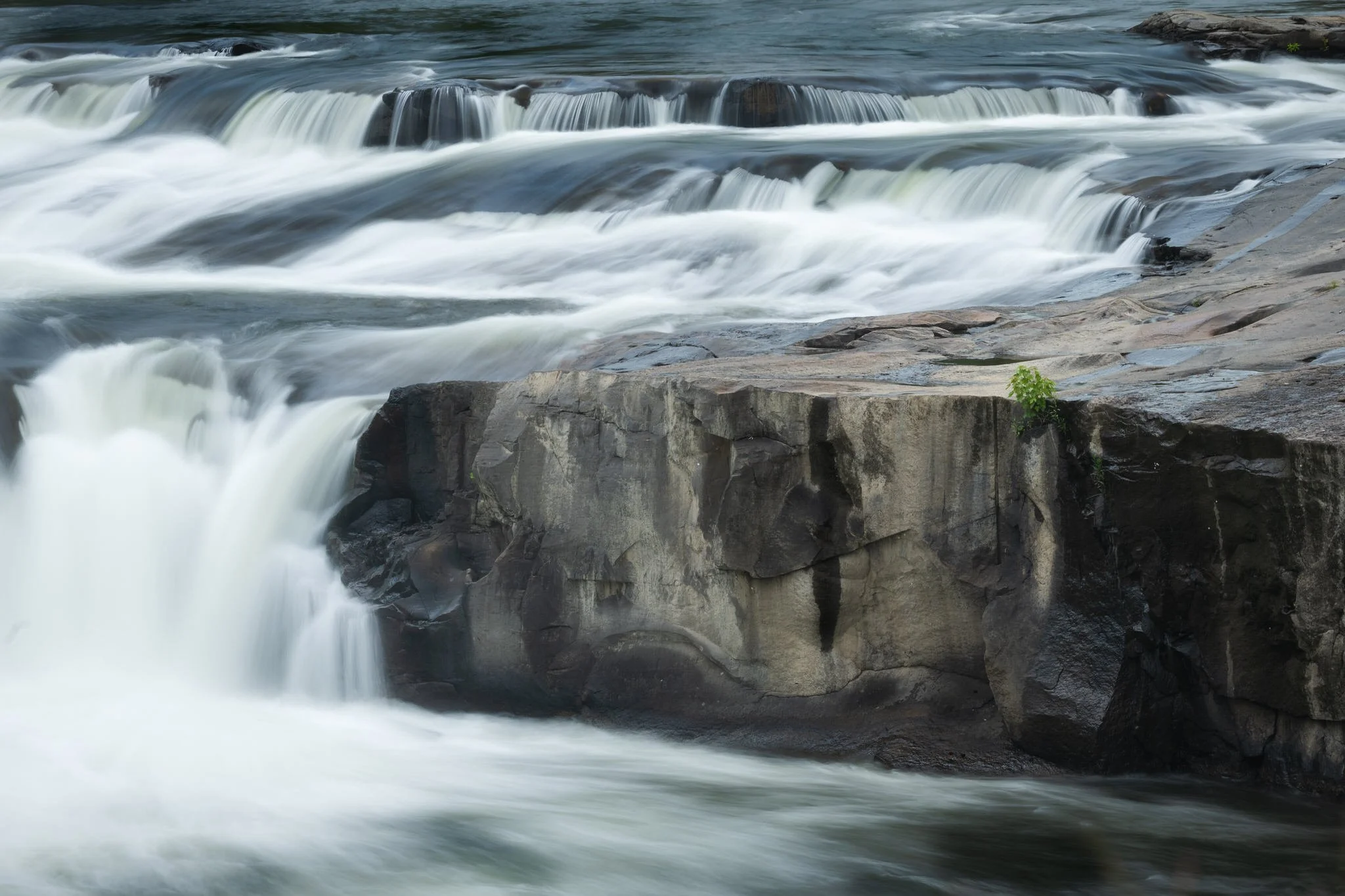
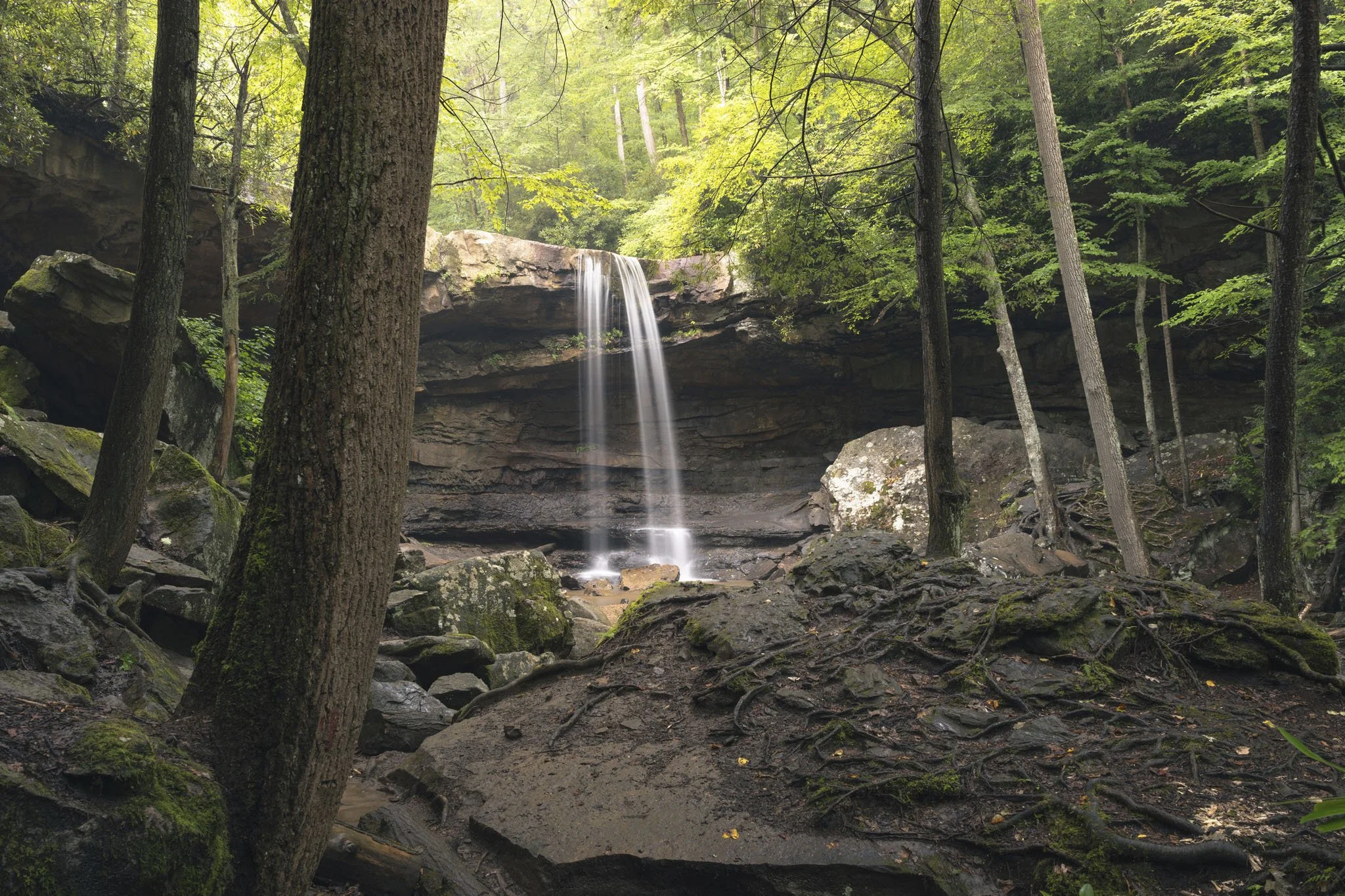
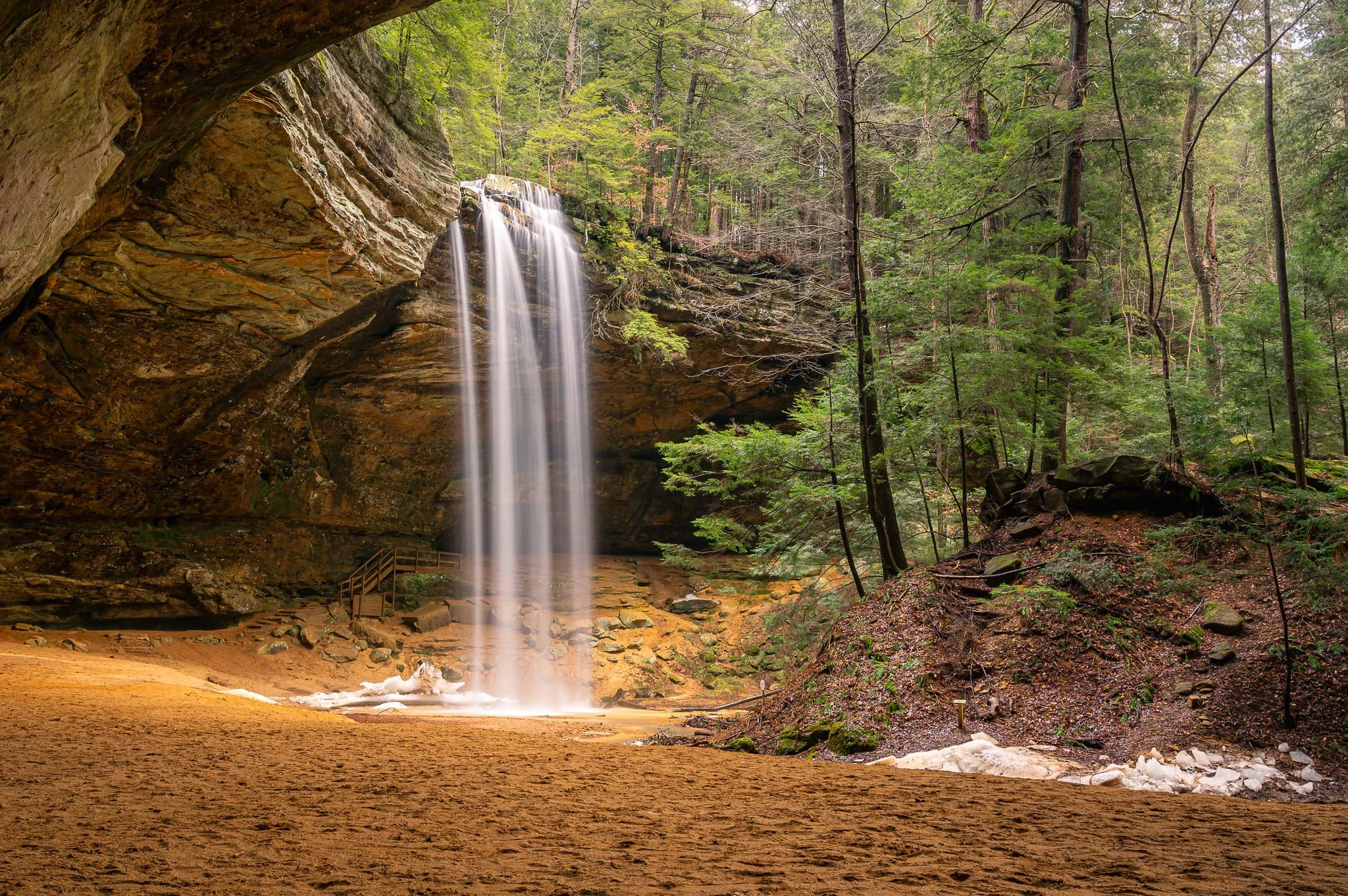
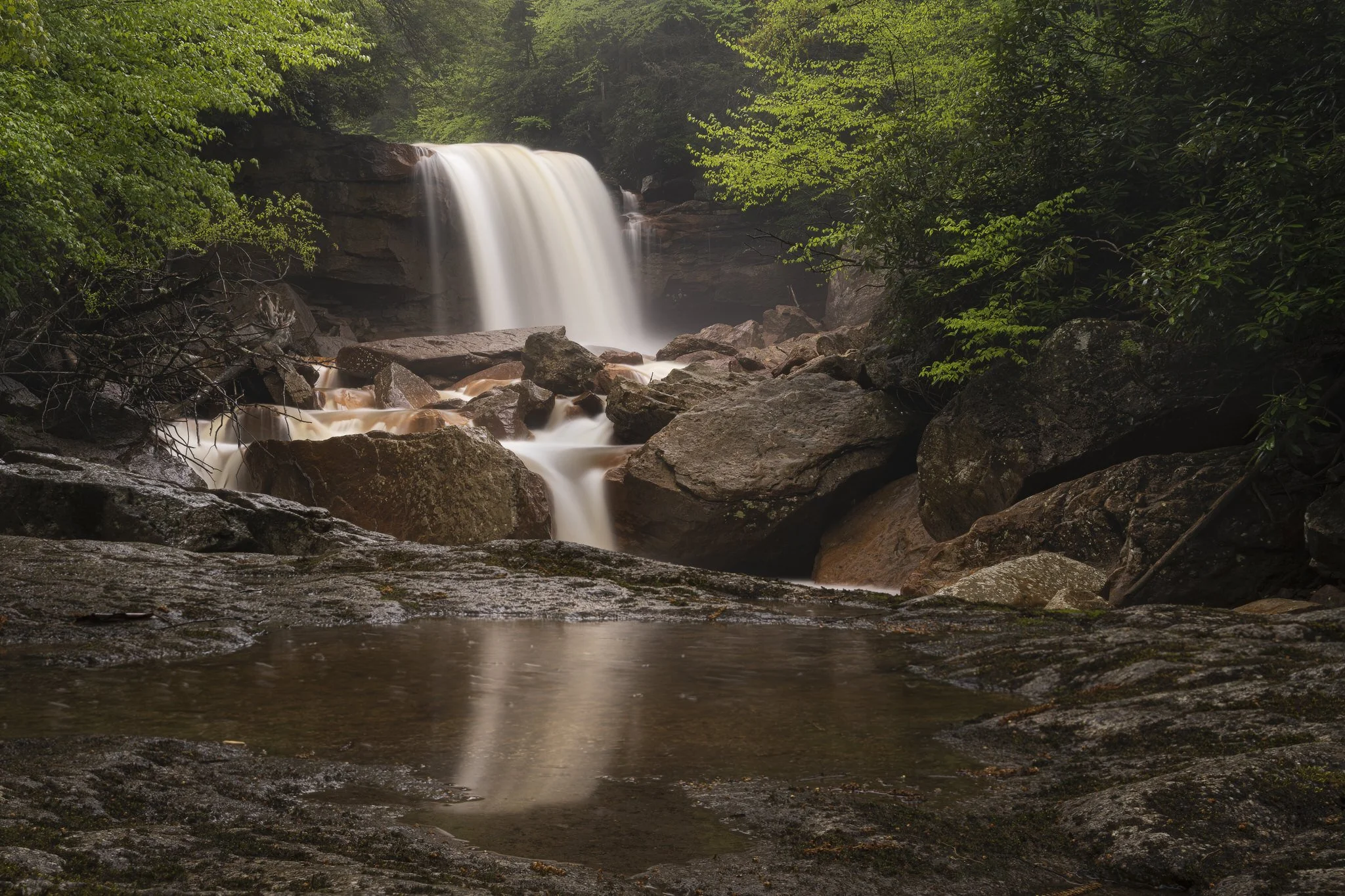
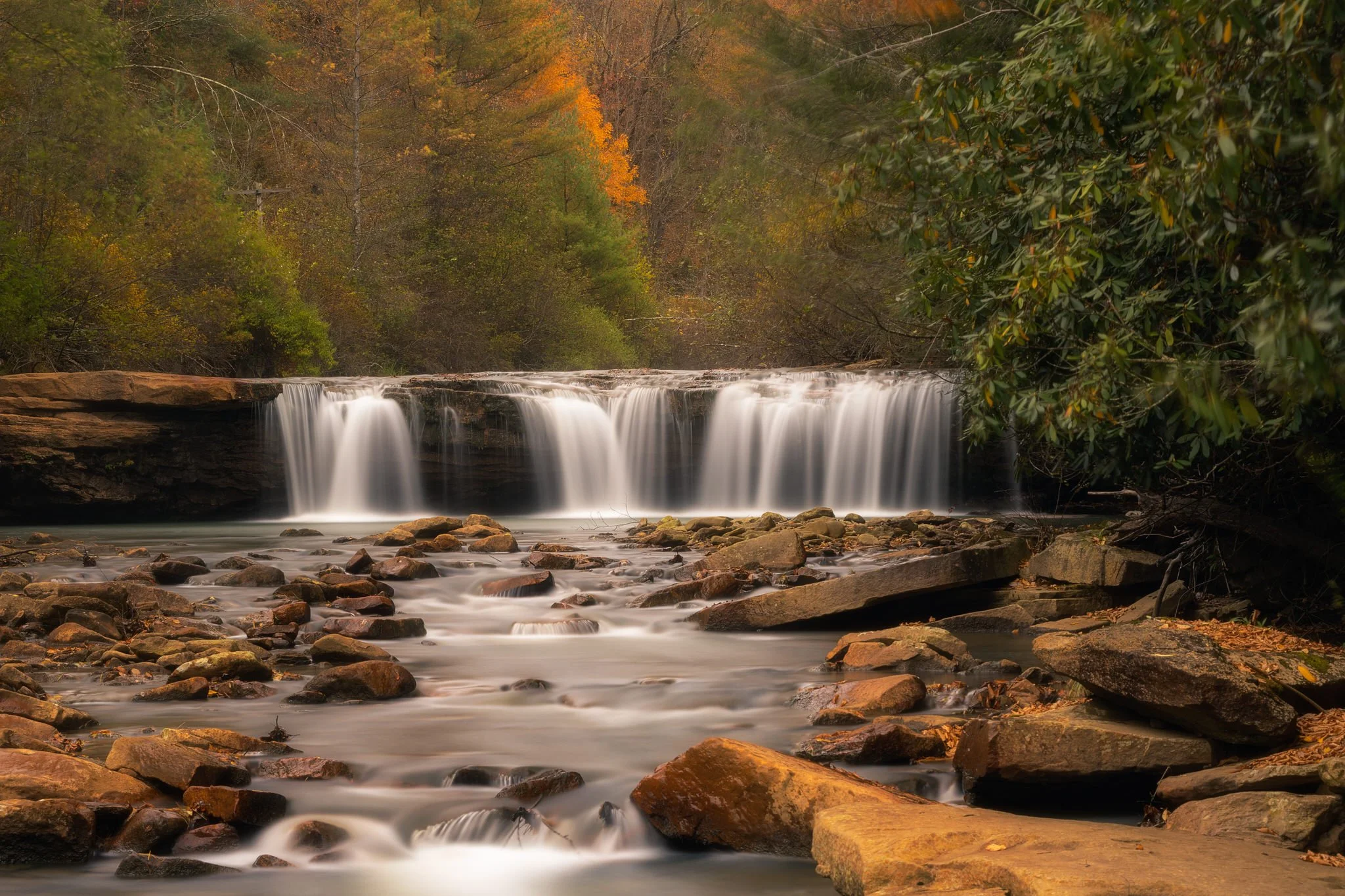
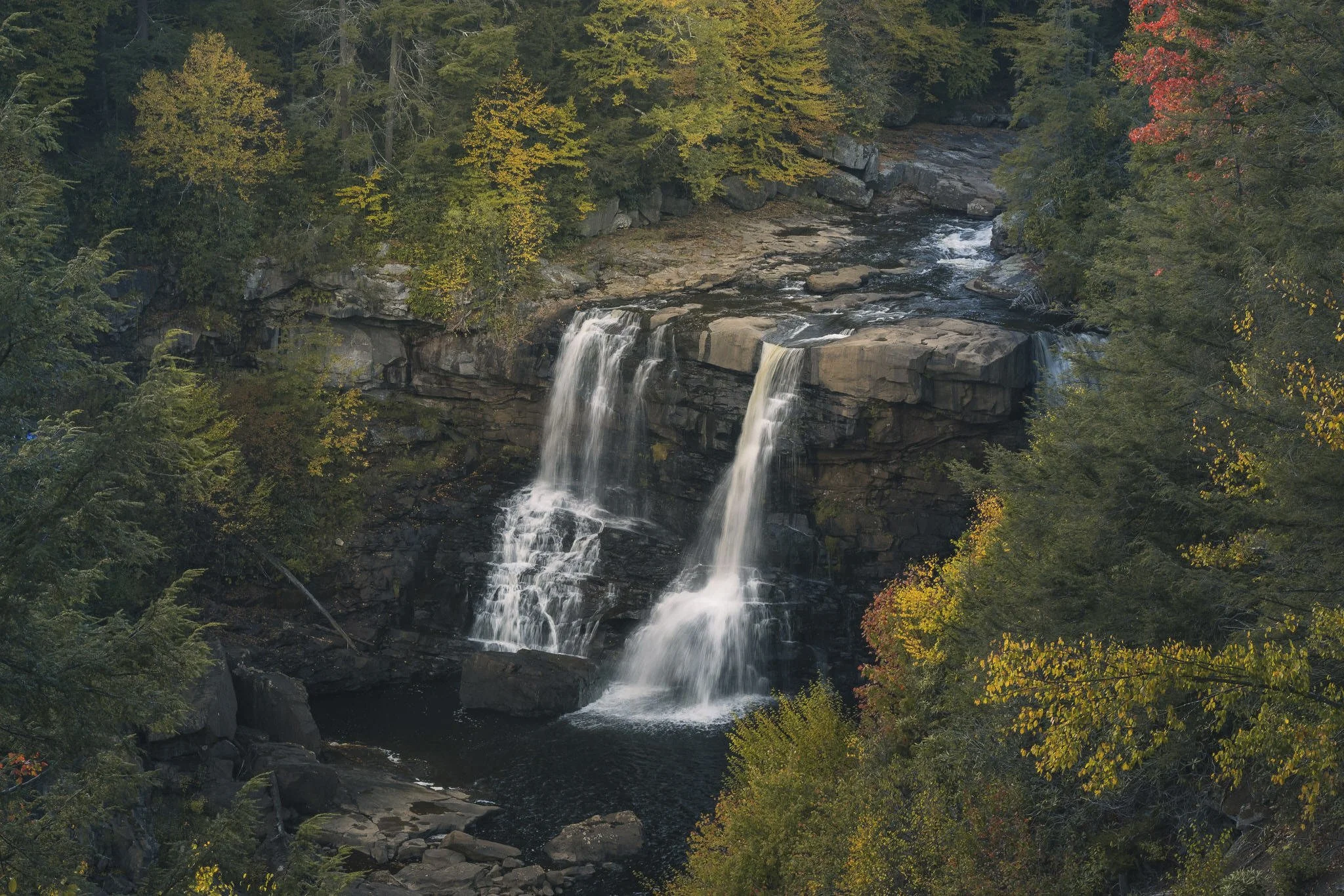
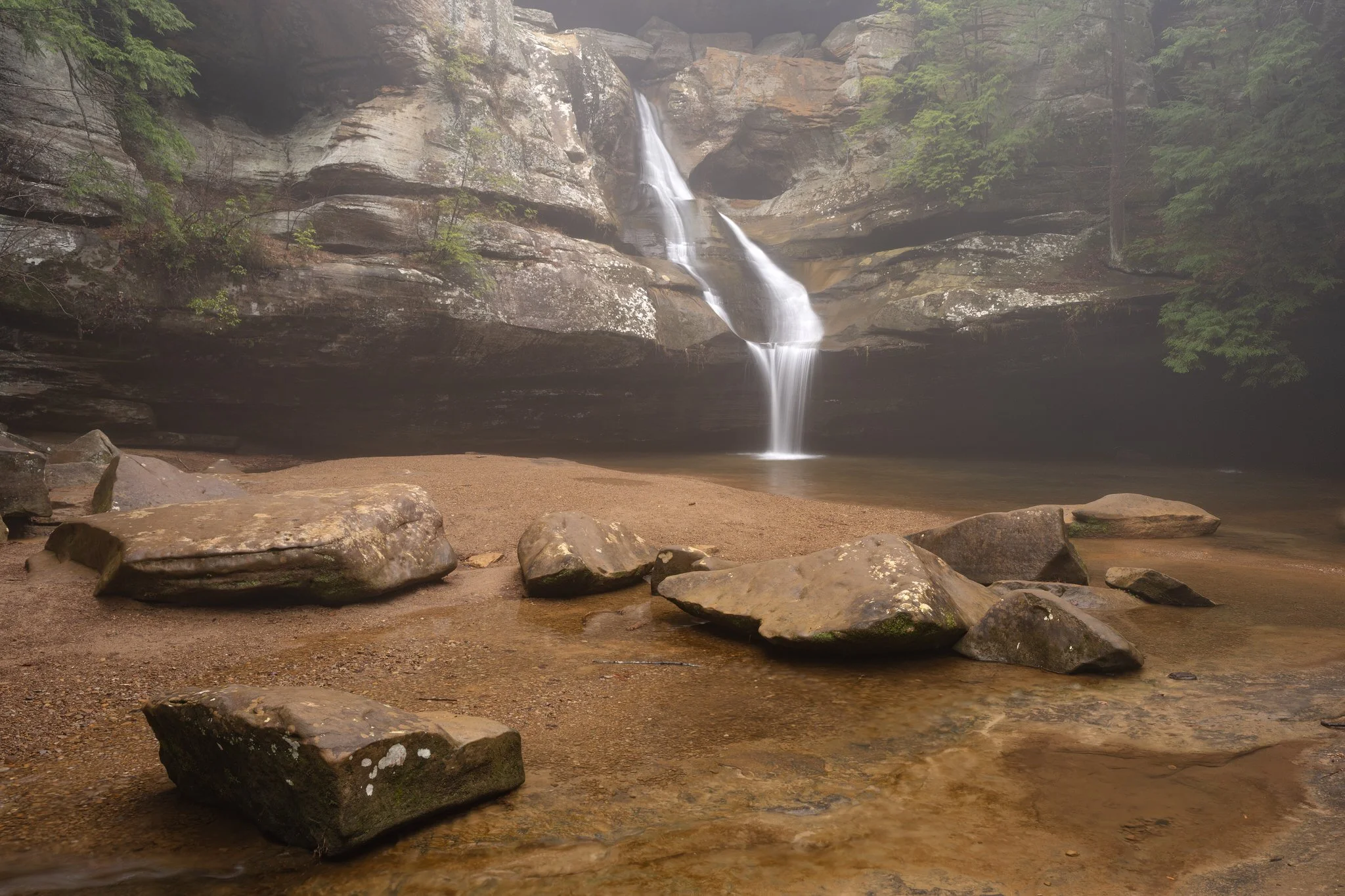
Photographing waterfalls has always been one of my favorite things to photograph. The sight and sound of moving water is very relaxing and calming to me. In this presentation, I cover the basics of waterfall photography, from composition to the technical considerations of photographing moving water.
I will help you come away with water looking the way you want, thoughtful compositions, and when you would want to consider using certain filters to further enhance your waterfall photography.
I cover the following concepts in this presentation.
Why waterfalls are compelling landscape photography subjects.
Finding a composition, wide-angle lens isn’t the only choice.
Camera settings, including the importance of shutter speed for creative effect, plus aperture and ISO considerations.
Long exposure tips - using a tripod, a remote shutter release, and timers.
Discuss filter options, why use a CPL, and when to use an ND filter.
Safety around waterfalls and streams.
A high-level overview of editing waterfall images.
We will conclude with a Q&A session on all things waterfall photography and possibly some image review.
Set Your Camera Up for Successful Landscape Photography
Your camera has lots of configuration options. From how things appear on the back of the screen, which mode to choose and configure, how it focuses, whether it takes one shot or continuously takes photos, and even ways to configure focus stacking and exposure bracketing. It is easy to get overwhelmed.
In this presentation, I talk about settings on your camera and rules of thumb for how to set them for landscape photography. I will also talk about ways to make accessing settings you might change frequently a little easier. If you can get the complexity of your camera out of the way, that will free your mind up to focus on the creative elements of landscape photography.
These are some of the key things I will talk about in this presentation.
Discuss why camera settings matter, including allowing flexibility for changing light, dynamic range, depth of field and focusing and being able to be efficient with accessing those settings.
Discuss the basics of key tools to sharp and well-exposed landscapes, which include aperture, shutter speed, and ISO..
Talk about tying exposure settings to tools like the camera’s light meter and histogram, highlighting the value of the histogram, and discuss exposure bracketing.
Discuss focus options for sharp images, including autofocus, manual focus, focus stacking, and back button focusing.
We will talk about white balance and what white balance setting I recommend.
With key settings established, talk about the value of utilizing the camera's quick menus or button customizations to make it easier to change settings as the situation warrants.
There will be time for Q&A after the initial presentation to help answer your camera setting questions.
Fieldcraft and Landscape Photography
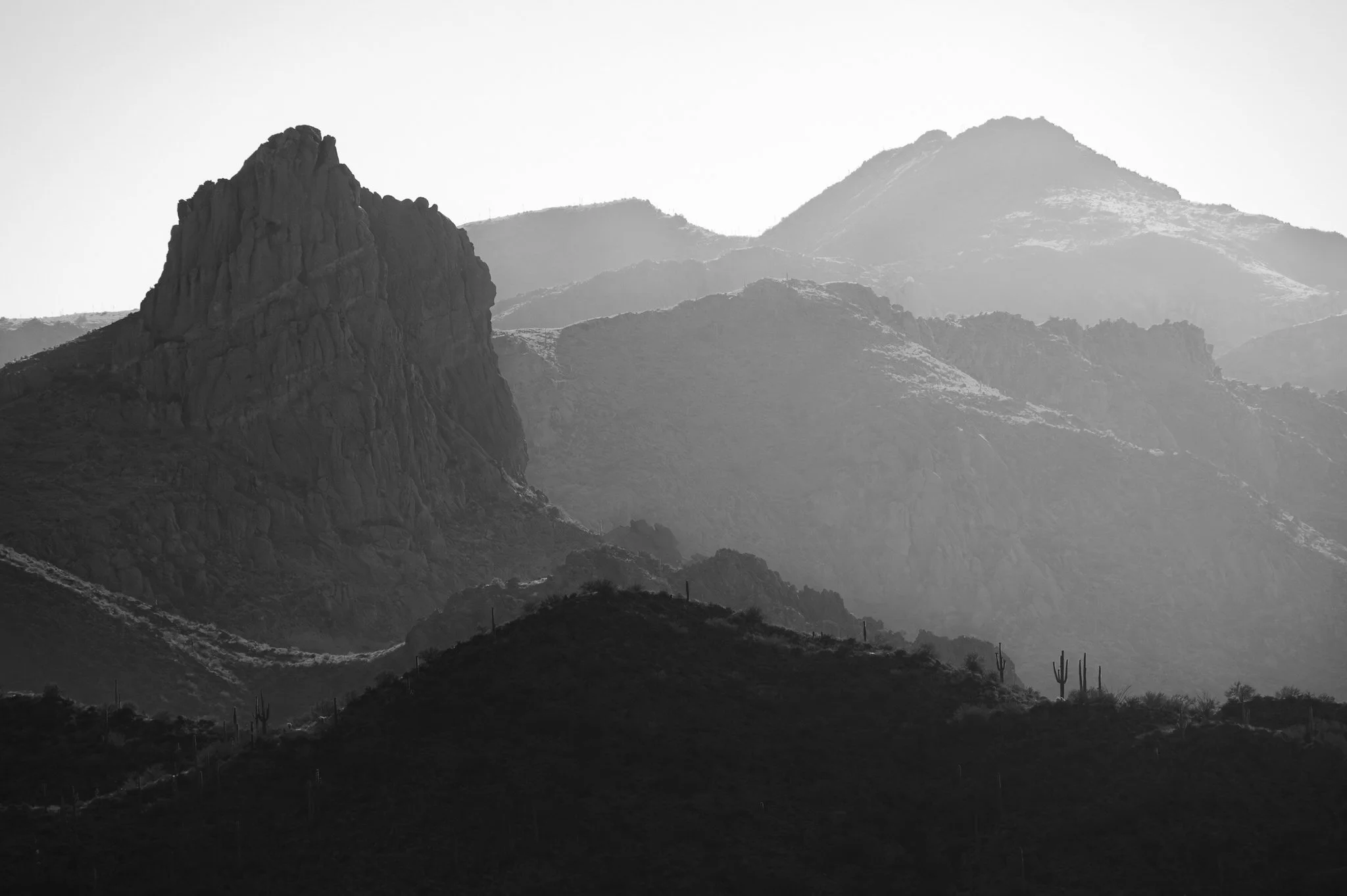
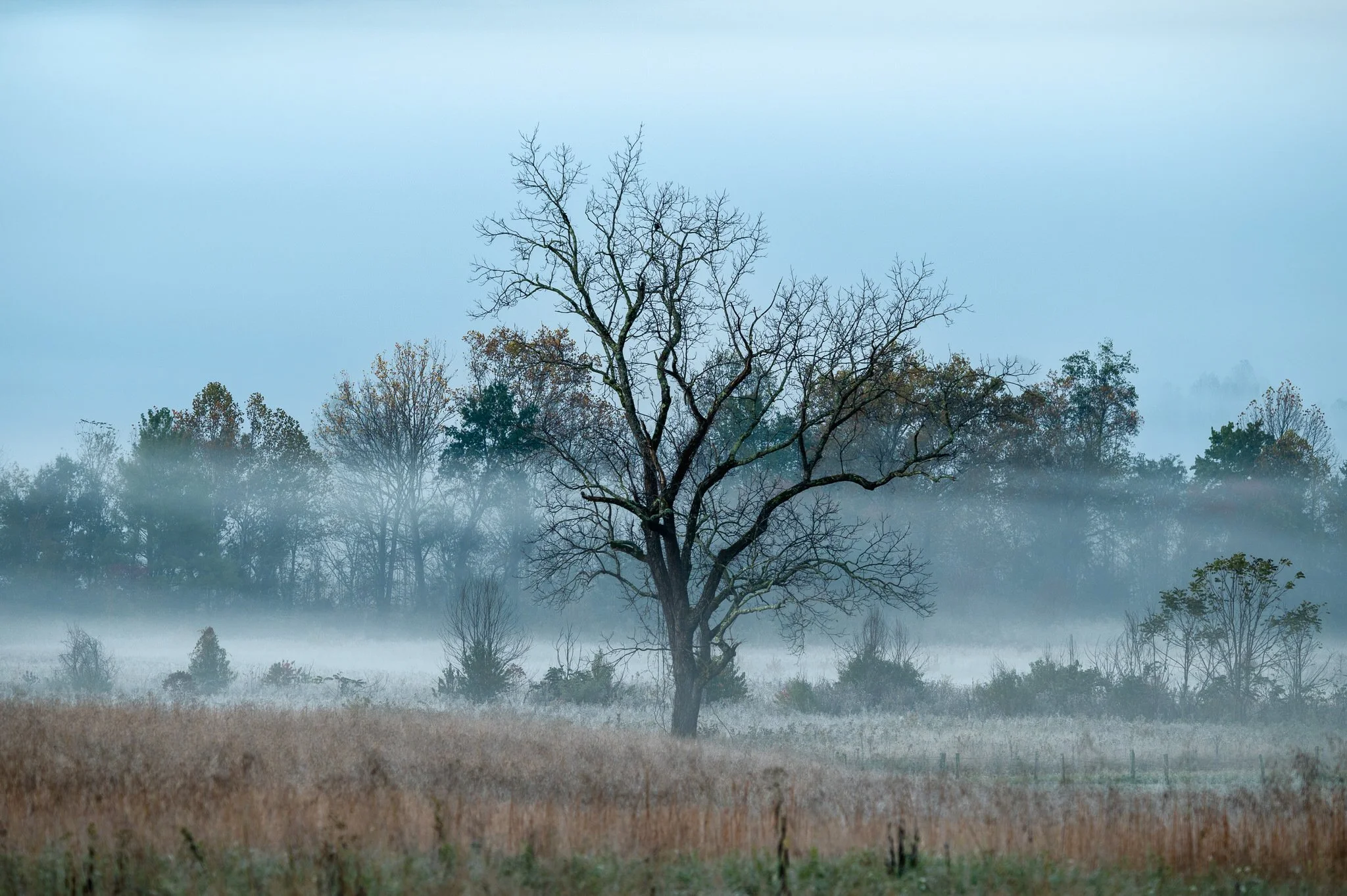
As landscape photographers, we spend a lot of time on the photography components of being successful landscape photographers. However, we often spend a lot of time outdoors, hiking, on trails, and in a wide variety of weather conditions and environments to capture unique images.
In this presentation, I discuss a variety of topics related to fieldcraft while out in the field. Much of this presentation is from things I’ve seen in the field on workshops or helped people with to make their time spent outside safer and more enjoyable, allowing them to be prepared and able to focus on the photography part of landscape photography.
We will cover the following topics in this presentation.
I will talk about what fieldcraft is and why it matters. I will also share some first-hand experiences of where increased knowledge of fieldcraft helped people with near-immediate results at workshops.
The importance of understanding the landscape you are headed into, from cold weather, rainy weather, to the desert, each present unique challenges. We will cover researching the environments and tools to help you be prepared.
Dressing for adverse weather conditions is key to staying safe and allowing you to focus on the photography. We will discuss basic clothing strategies for cold weather, rainy weather, and desert environments.
We will discuss general outdoor skill,s including trail awareness, mapping options, use of a GPS.
Safety outdoors is important, we will discuss staying safe outdoors and being prepared should something unexpected happen.
Simple things like how you load your pack, how you prep your camera gear, and how you are organized all play into how successful you will be in challenging conditions, on long hikes, or short, but difficult scrambles. We will talk about some of that preparation.
I will highlight leave no trace principles, we are a guest in the outdoors, and we can both help protect it and lead by example.
There will be time for a brief Q&A at the end of the presentation to help you be better prepared for outdoor photography.
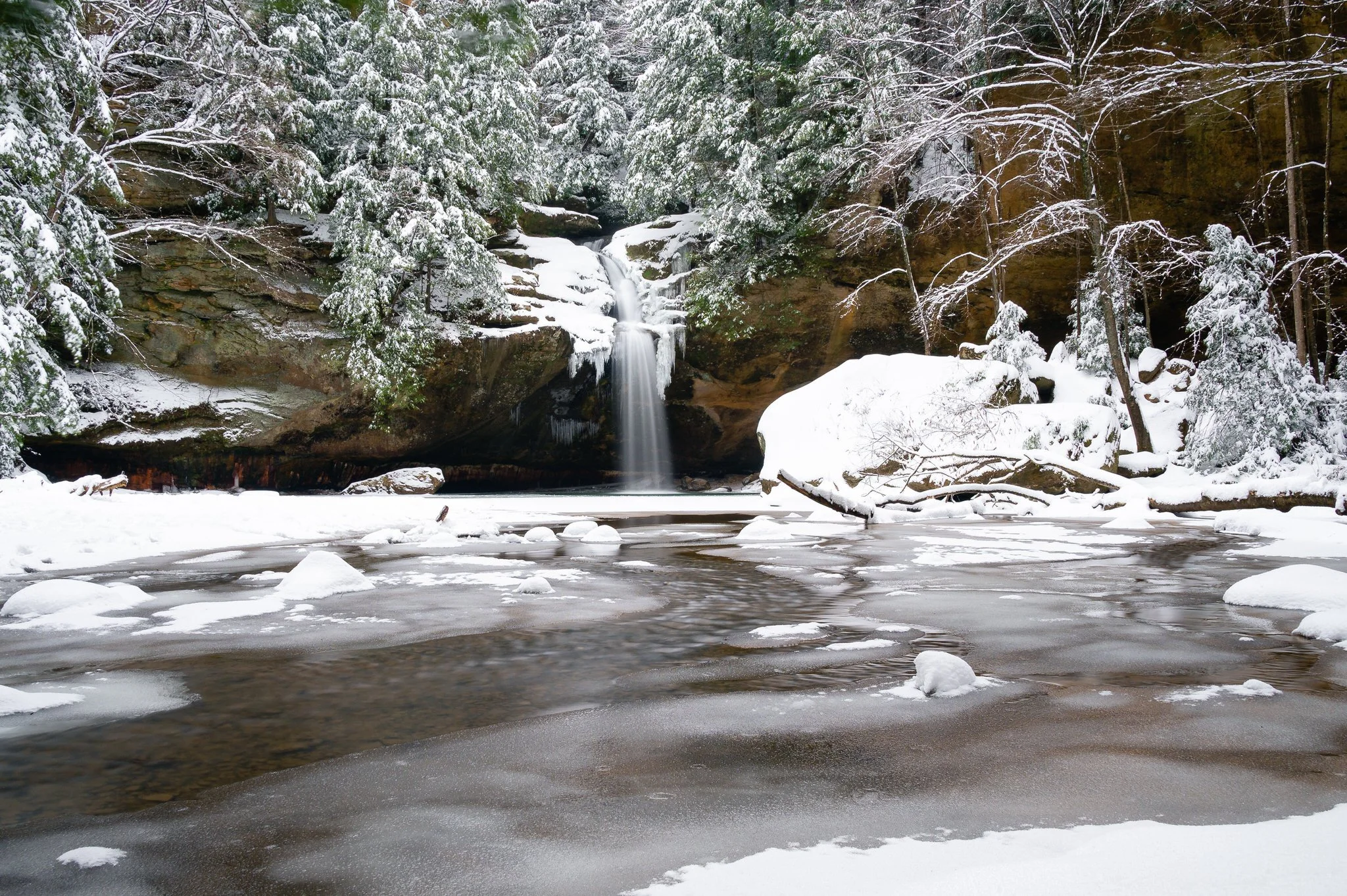
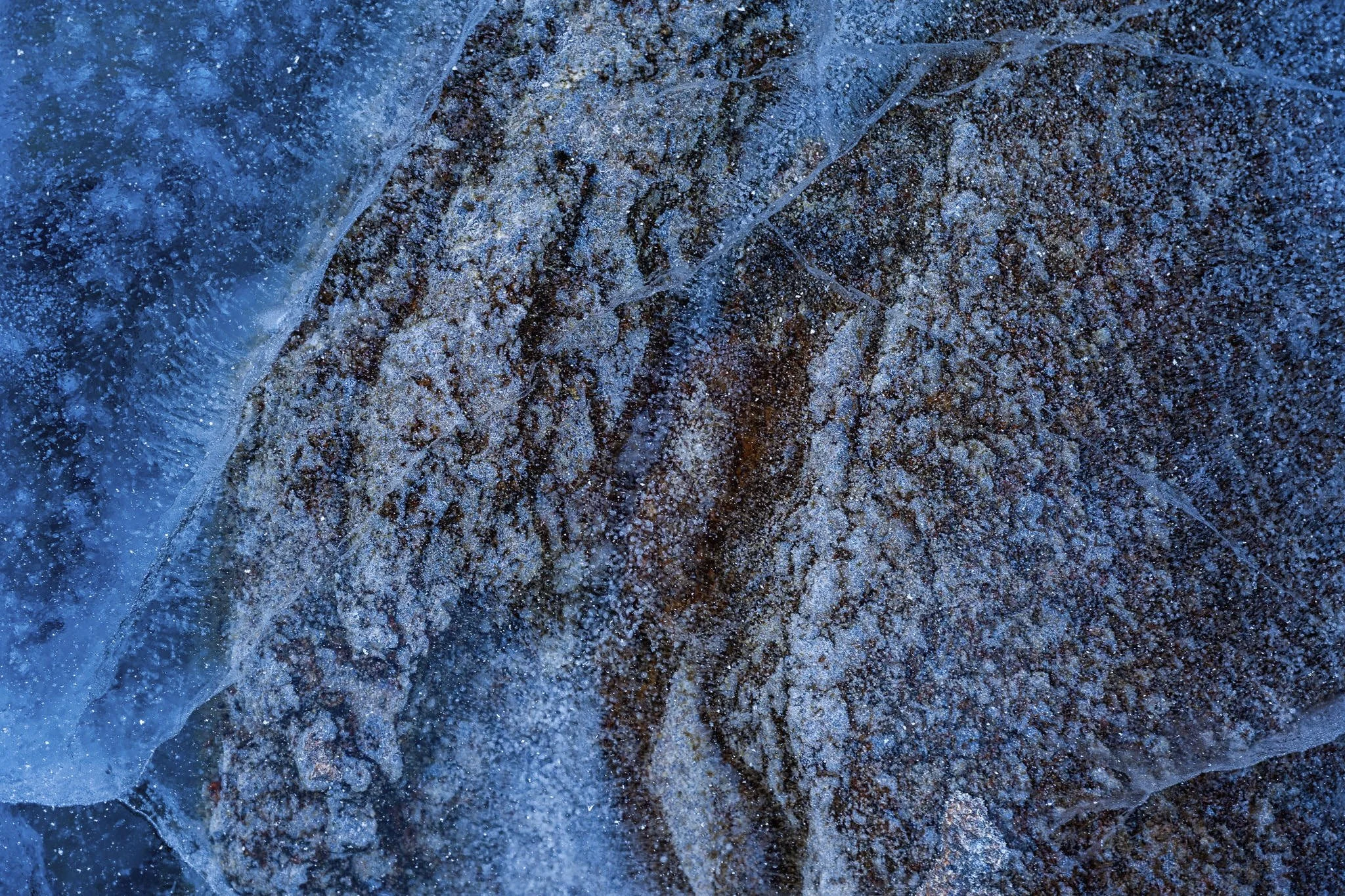
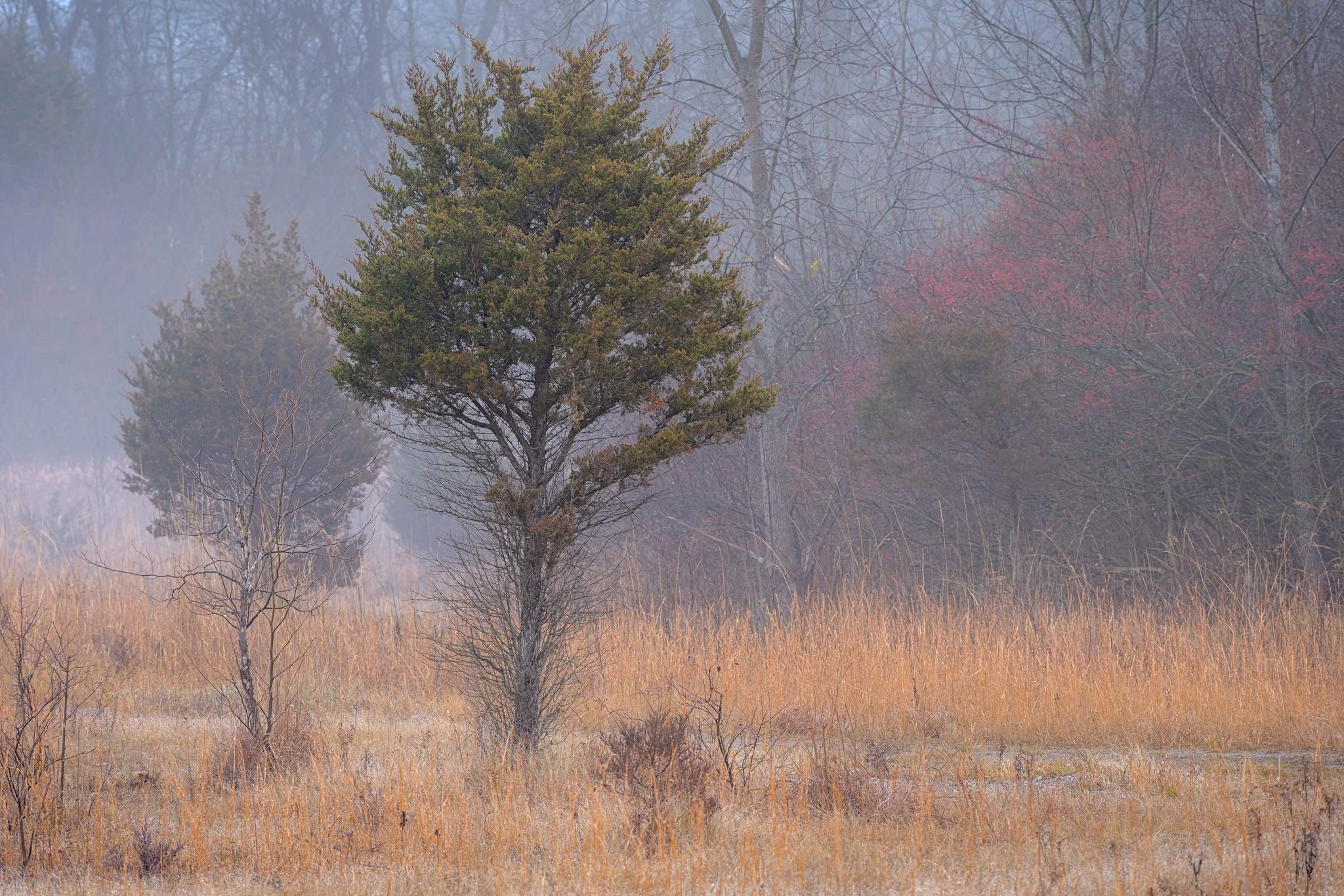
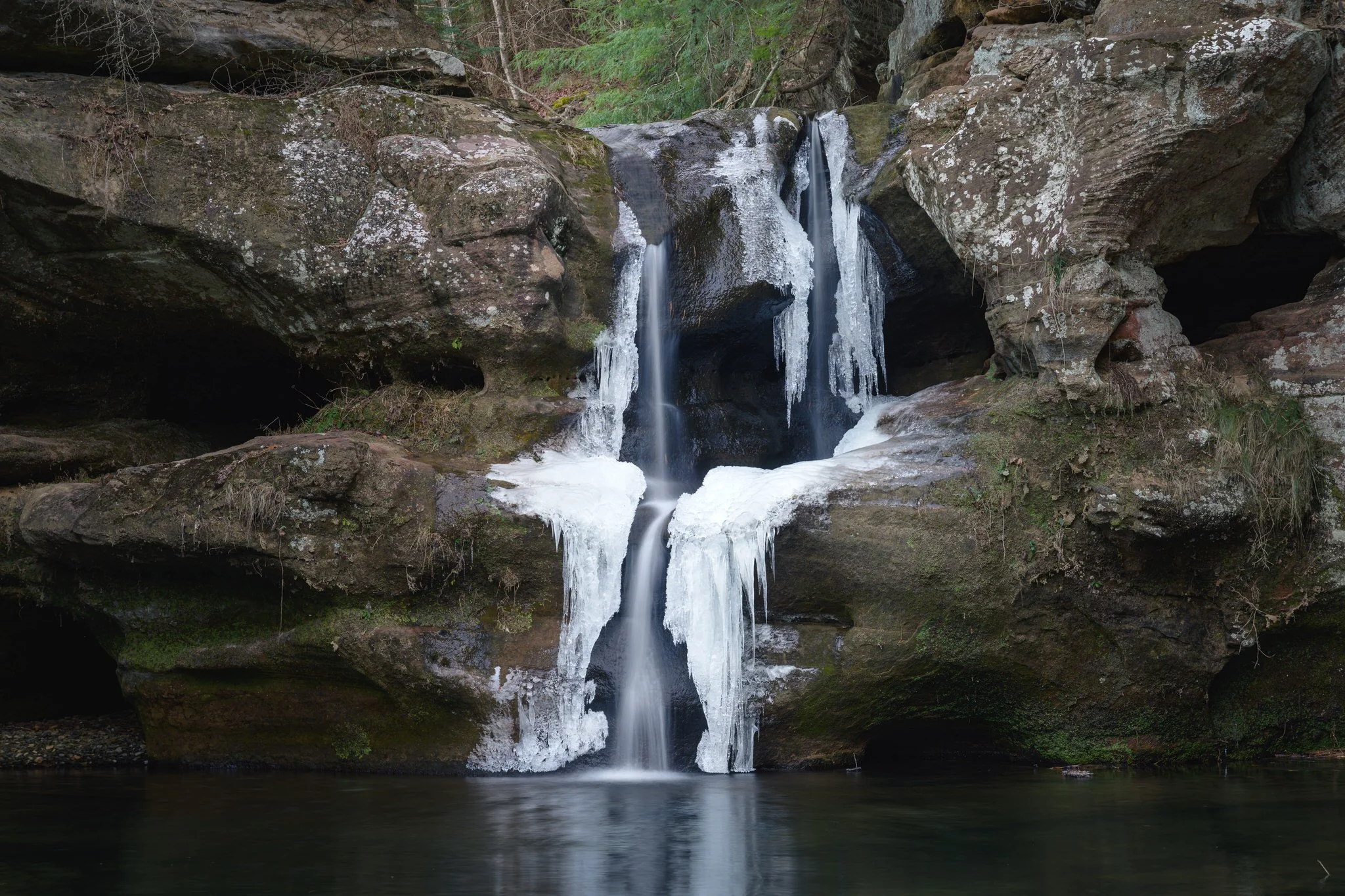
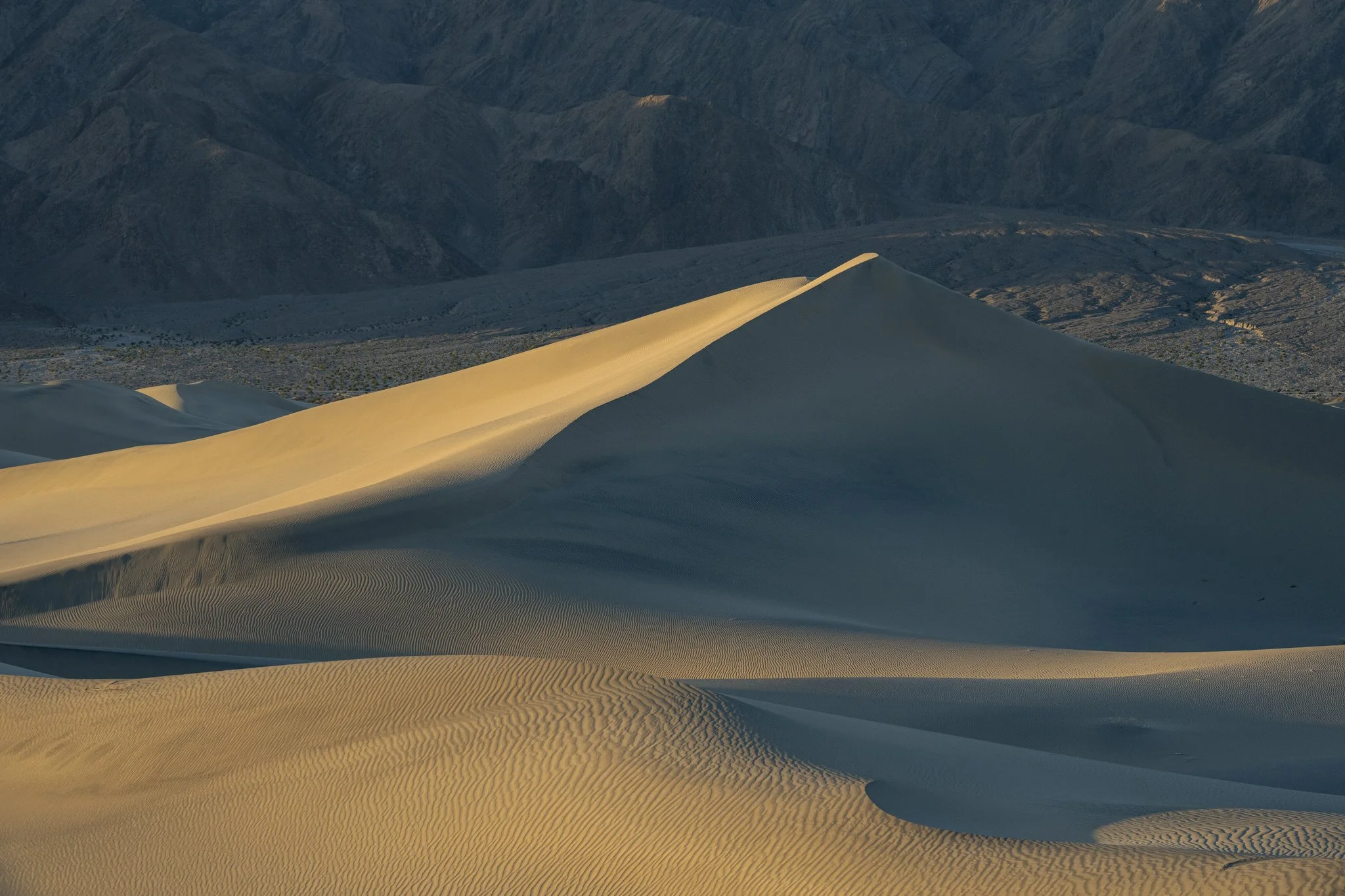
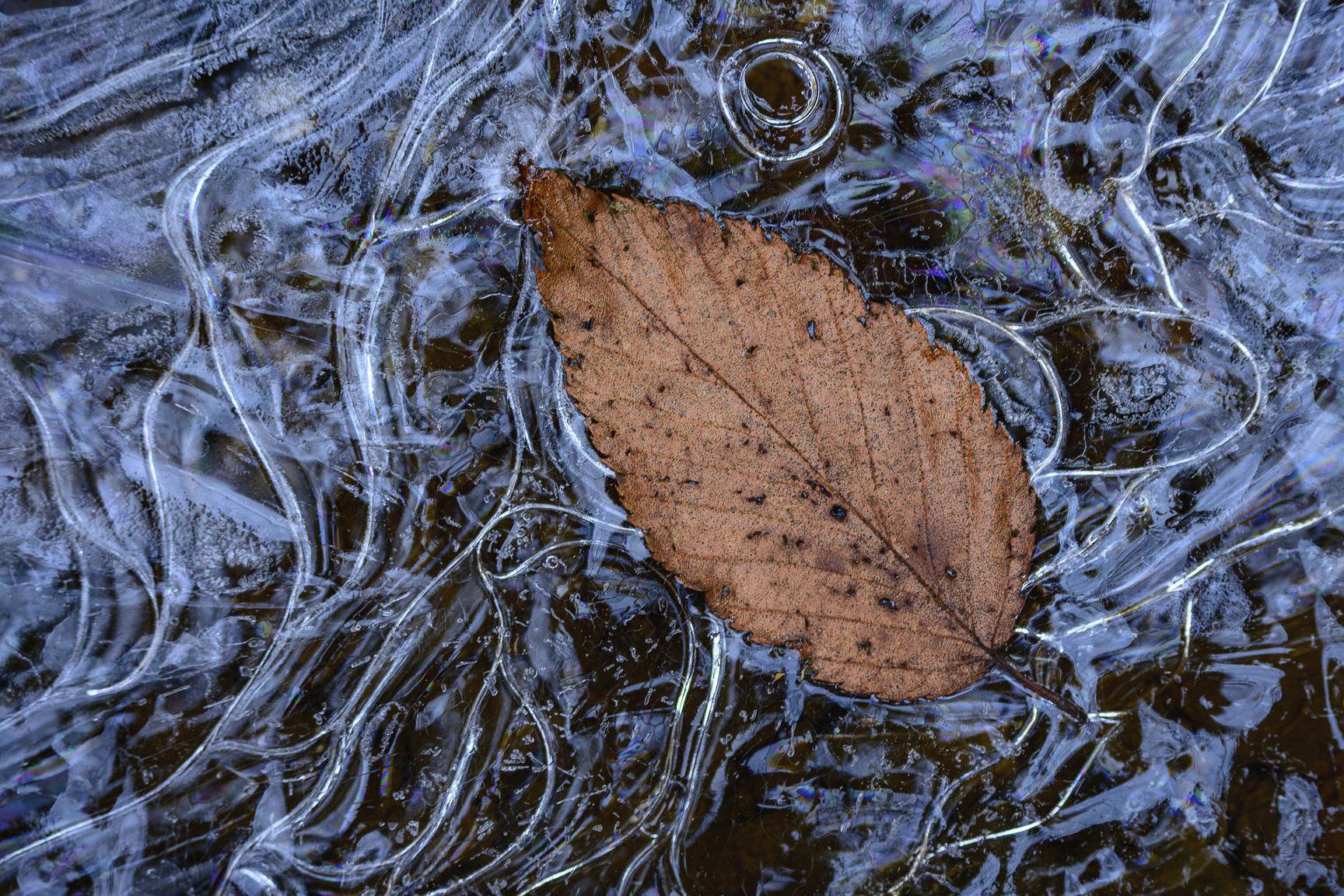
The Camera: A Key to Exploring, Experiencing, and Connecting
In landscape photography, we are often focused on the final result, the photograph we capture. All attention is on the right camera settings, being at the right place at the right time, editing, and eventually sharing an image we are proud of with the world.
But the camera is actually a key that unlocks so much more than just a final image we share. The camera is a key to exploring. The camera is a key to deeper experiences. The camera is a key to connecting.
I will cover the following in this presentation, supported by a gallery of images from the US, as we discuss each of these elements.
I begin with how we typically approach photography as results-focused, but how the camera is more than just a tool to create an image.
I talk about how the camera can lead people to explore and visit new places in the pursuit of the photo, whether it just be local parks to traveling across the US or more.
I discuss how the camera makes us more in tune with our surroundings over time. We start with appreciating the big scenes, but as we continue we start to notice and appreciate small things and gain new appreciation for the light and the natural world around us.
The camera unlocks connections with people. As we continue our pursuit of landscape photography, we meet others with similar interests. This can manifest in online communities to joining photo clubs to attending conferences.
There will be time for Q&A and discussion after the presentation.